
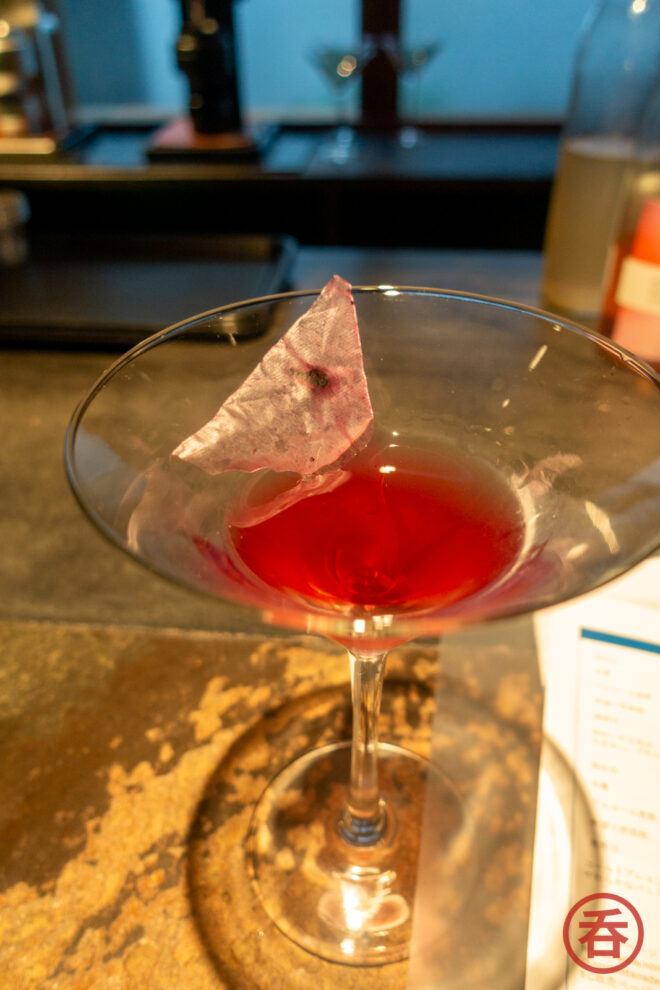
One of the things that always intrigues me about the alcohol industry is the backgrounds of the people that drive it. They come from all walks of life. Fitness instructors turned distillers, investment bank traders turned owners, newspaper columnists turned salespeople, Mormon missionaries turned brand ambassadors, English teachers turned bartenders, movie industry executives turned importers, and so on. In the case of northern Sweden’s Norrbottens Destilleri, founder Dennis Bejedal is a former professional poker player.
He recently visited Japan again and, appropriately, stopped by Fuglen Sangubashi. I say “appropriately” here because Fuglen is also Nordic — founded in 1963 in Oslo. And even more appropriately, Fuglen in Tokyo emerged not just as a coffee cafe, but also as a bar. The first location in Japan, and the brand’s first cafe outside Norway, opened in 2012 and was one of many hot spots that made up “Oku-Shibu,” or Shibuya’s relaxed backstreets. Since then its popularity as a cafe has ballooned, but its popularity as a bar at night also remains something of legend in Tokyo’s cocktail scene.
In 2026, Fuglen has more cafes across Japan than in Norway. Additional locations are now opening in Jakarta and Seoul.
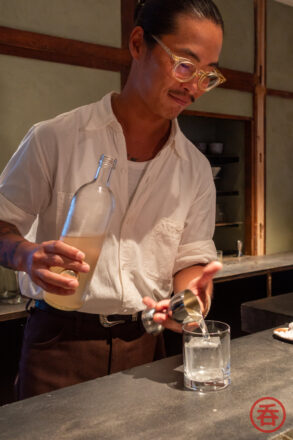
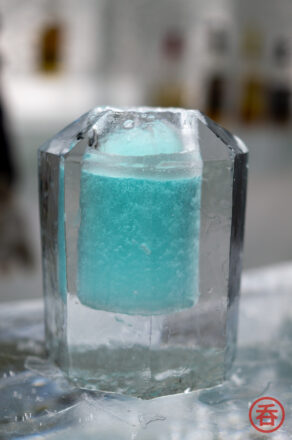
Let’s talk specifically about drinks that contain alcohol. Norrbottens Destilleri is Sweden’s northernmost distillery, located in Töre, Sweden. The town is just 48km south of the Arctic Circle. That’s about 570km south of the world’s most northern distillery, Aurora Spirit, in Norway. It’s basically where Santa lives, I think. My first question to Dennis was about their distillation season. Japan’s northernmost distillery, Rishiri, for example, completely shuts down during the winter. But in Norrbottens’ case, they are distilling year-round. The distillery is entirely powered by hydroelectric — approximately two-thirds of all Sweden’s power generation comes from renewables. Norrbottens has also famously collaborated with the Icehotel.
Why the focus on liqueur? Instead of, who knows, gin or whisky? Sweden has a law called Allemansrätten, or the “Right of Public Access.” This means foraging in nearby forests isn’t just a national pastime; it’s a codified law. Rhubarb pie or blueberry pie, anyone? Norrbottens Destilleri’s liqueurs highlight the flavors of the forest: the flavors of northern Sweden. Blueberries in northern Sweden ripen quickly because of the nightless summers. Norrbottens estimates it uses 2,500 blueberries per bottle of its liqueur.
Another thing you may not know about Sweden is that if you run a brewery or distillery in the country, you have only one customer: Systembolaget. Readers from the US might be familiar with the concept of a “Control State.” Sweden has the same system nationwide. Expansion means building up the export market. Neither rhubarb nor blueberries are very familiar in Japan, so this is an interesting opportunity.


Hi there! I created and run nomunication.jp. I’ve lived in Tokyo since 2008, and I am a certified Shochu Kikisake-shi/Shochu Sommelier (焼酎唎酒師), Cocktail Professor (カクテル検定1級), and I hold Whisky Kentei Levels 3 and JW (ウイスキー検定3級・JW級). I am a Trustee of the Japanese Whisky Promotion Committee. I also sit on the Executive Committees for the Tokyo Whisky & Spirits Competition and Japanese Whisky Day. Click here for more details about me and this site. Kampai!